Salem: 503-339-7351
  info@imgclinics.com
  Closed Sat & Sun and major holidays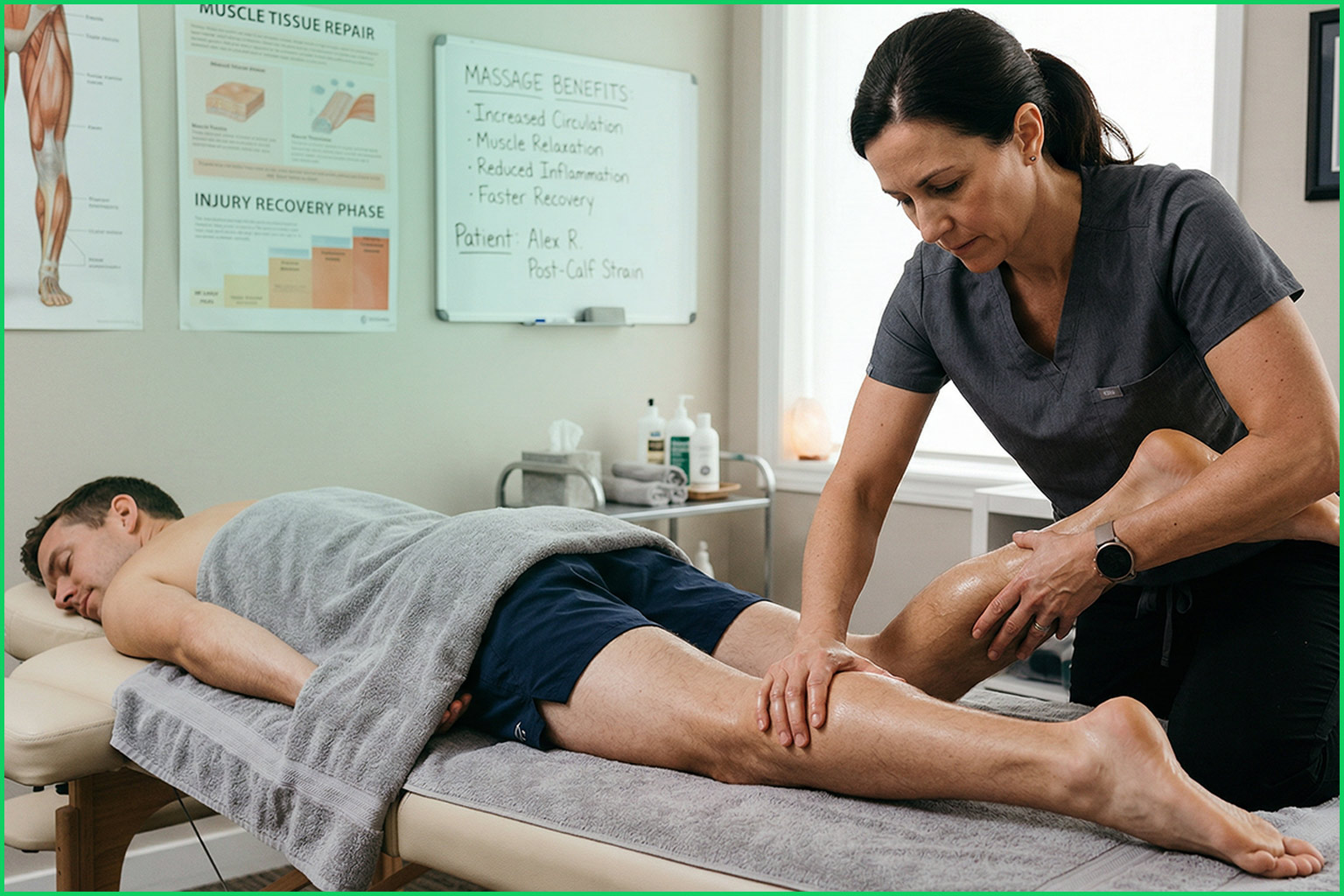
Massage Therapy for Injury Recovery: Science-Backed Benefits
After an injury, your body feels tight, sore, and out of sync. You may try rest, maybe some light movement, but the discomfort sticks around. That is where massage therapy can step in and make a real difference.
More people are turning to hands-on care to support healing. And there is a good reason for it. The scientific benefits of massage therapy after injury show that it does more than just help you relax.
Let’s break it down simply and practically.
How Massage Therapy Supports Healing
When your body gets hurt, muscles tighten up. Blood flow may slow down. Inflammation can build up. All of this slows recovery.
Massage therapy helps reverse that.
One of the key Massage therapy benefits is improved circulation. Better blood flow brings oxygen and nutrients to injured tissues. That supports faster repair.
At the same time, massage helps remove waste products from the area. This reduces swelling and stiffness. So, your body can heal more smoothly.
What Happens During Therapeutic Massage
therapeutic massage? Healing focuses on more than just surface relaxation. It targets deeper muscle layers and problem areas linked to your injury.
During a session, a trained therapist applies pressure and movement techniques. These help:
- Loosen tight muscles
- Break up scar tissue
- Improve flexibility
- Reduce muscle guarding
As muscles relax, your range of motion improves. That makes it easier to return to normal activities.
Deep Tissue Massage for Injury Recovery
Not all massages are the same. For injuries, deeper work is often needed.
The deep tissue massage benefits come from reaching layers of muscle that hold chronic tension. This type of massage uses slow, firm pressure to release knots and tight spots.
It is especially helpful for:
- Back and neck injuries
- Shoulder tension
- Sports-related strains
- Post-accident muscle stiffness
Over time, deep tissue work can reduce pain and improve movement patterns. It also helps prevent long-term stiffness.
Pain Relief Through Targeted Techniques
Massage is not just about comfort. It can actively reduce pain signals in the body.
Certain pain relief massage techniques focus on trigger points. These are tight knots that send pain to other areas. By releasing these points, pain often decreases.
Massage also affects the nervous system. It can lower stress hormones and increase feel-good chemicals like endorphins. This natural response helps reduce discomfort and improve mood.
So, you are not just healing physically. You are also supporting mental recovery.
What Science Says About Massage After Injury
Research continues to support the scientific benefits of massage therapy after injury. Studies show that massage can:
- Reduce inflammation in muscle tissue
- Improve circulation and oxygen delivery
- Decrease muscle soreness
- Support faster recovery time
One key finding is that massage may help regulate the body’s inflammatory response. That means less swelling and quicker healing.
Another benefit is improved muscle elasticity. This helps reduce the risk of reinjury as you return to activity.
When Should You Start Massage Therapy?
Timing matters. Starting too early or too late can affect results.
In many cases, gentle massage can begin within a few days after injury. However, the type and intensity should match your condition.
A provider will assess your injury and recommend the right approach. As healing progresses, techniques can become more focused and deeper.
This step-by-step approach helps you get the most out of therapeutic massage healing.
Combining Massage with Other Treatments
Massage works best when it is part of a larger plan. On its own, it helps. But combined with other care, results improve.
Many recovery plans include:
- Physical therapy for strength
- Chiropractic care for alignment
- Stretching and mobility work
Together, these therapies support full recovery. Massage helps prepare the body and improve the response to other treatments.
This is why many providers include massage in injury recovery programs.
Benefits Beyond Physical Healing
There is more to massage than muscle recovery. It also supports overall well-being.
Some added Massage therapy benefits include:
- Better sleep quality
- Reduced stress levels
- Improved focus
- Enhanced relaxation
When your body feels better, your mind follows. That balance is important during recovery.
Signs You May Benefit from Massage Therapy
You may want to consider a massage if you notice:
- Ongoing muscle tightness
- Limited movement
- Pain that does not improve
- Stiffness after injury
- Stress related to discomfort
These signs often point to underlying muscle tension that massage can help address.
Take the Next Step Toward Recovery
Healing takes time, but the right care can speed things up. Massage therapy offers a natural way to support recovery and reduce pain.
If you are dealing with muscle pain or injury, InterState Medical Group offers personalised care plans that include pain relief massage techniques and targeted therapy options.