Salem: 503-339-7351 FAX: 503-575-2417
  info@imgclinics.com
  MTT: 9–6 PM W: 9 AM–2 PM F: Admin only S&S CLOSED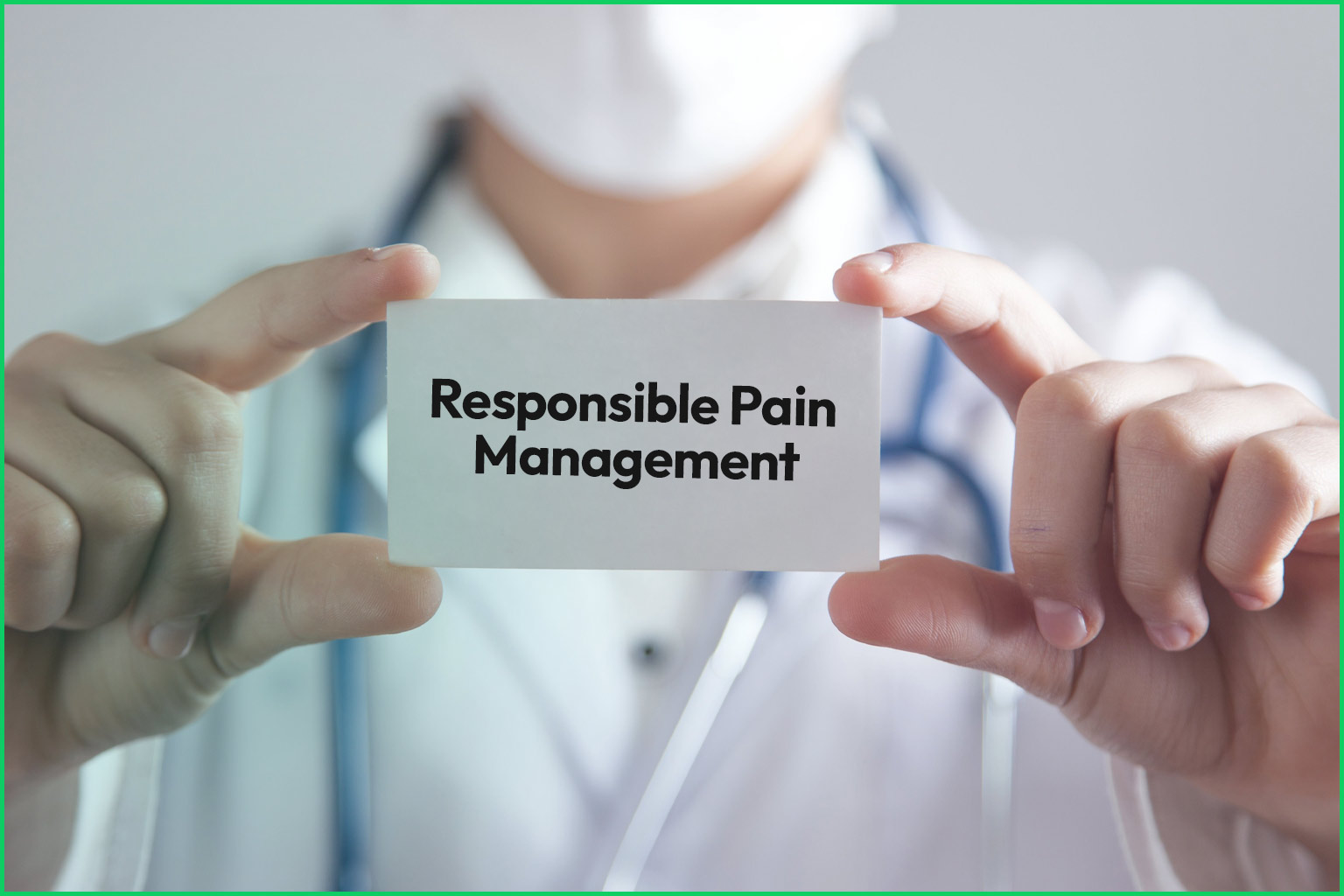
What Is Responsible Pain Management (RPM) and Why Is It Gaining Popularity?
Living with pain can wear you down. It affects how you move, sleep, and even think. For years, many people relied on quick fixes. But now, things are changing. More patients are asking for safer, long-term solutions. That is where RPM pain management comes in.
It is not about masking pain for a short time. It is about understanding the cause and treating it the right way. Let’s break it down so it all makes sense.
What Is Responsible Pain Management?
RPM pain management stands for a balanced and thoughtful approach to treating pain. It focuses on reducing discomfort while also improving function and overall health.
Instead of depending heavily on medications, especially opioids, RPM looks at the bigger picture. It combines different therapies to help the body heal naturally.
This approach often includes physical therapy, chiropractic care, lifestyle changes, and targeted treatments. The goal is to treat the root cause, not just the symptoms.
Why This Approach Is Getting So Popular
You might wonder, why now? Why are more people choosing this method?
The answer is simple. People want safer care. They want long-term relief without strong side effects. That is a big reason why non-opioid pain management is growing across the country.
Many patients have seen the downsides of relying only on medication. So now, they are looking for options that feel more balanced and sustainable.
Also, healthcare providers are focusing more on prevention and whole-body care. That shift has helped RPM gain attention.
What Makes RPM Different?
The biggest difference is how care is delivered. Multidisciplinary pain management is a key part of RPM.
This means different types of providers work together. Each one focuses on a specific part of your recovery.
For example:
- A chiropractor may improve spinal alignment
- A physical therapist may help rebuild strength
- A massage therapist may reduce muscle tension
Together, these treatments create a complete plan. Instead of one solution, you get a mix that works better over time.
Benefits of Responsible Pain Management
There are several clear benefits of responsible pain management for chronic pain. Let’s look at what makes it effective.
- Focus on Root Cause
RPM does not just hide pain. It looks deeper. By identifying the source, treatment becomes more effective.
- Reduced Dependence on Medication
Since care involves multiple therapies, patients often rely less on medications. This lowers the risk of side effects.
- Better Long-Term Results
Short-term relief is helpful, but long-term results matter more. RPM supports lasting improvement.
- Improved Daily Function
Patients often notice better movement, flexibility, and strength. That makes everyday tasks easier.
- Personalised Care Plans
No two people are the same. RPM adjusts treatment based on your needs, not a one-size approach.
Conditions That Can Benefit from RPM
This approach works well for many types of pain. Some common examples include:
- Chronic back and neck pain
- Joint discomfort
- Muscle injuries
- Post-accident pain
- Repetitive strain conditions
Because multidisciplinary pain management looks at the full picture, it can help with complex conditions that do not respond to a single treatment.
What to Expect from an RPM Plan
Starting RPM pain management usually begins with a full evaluation. Providers look at your medical history, lifestyle, and pain patterns.
From there, a custom plan is created. It may include:
- Hands-on therapy
- Guided exercises
- Movement correction
- Lifestyle recommendations
Over time, your plan may change as your body improves. This flexible approach keeps your recovery on track.
Why Non-Opioid Care Is the Future
There is a growing awareness about medication risks. That is one reason why non-opioid pain management is growing so quickly.
People want treatments that support healing without heavy reliance on drugs. They want to stay active, alert, and in control.
RPM fits that need. It offers a safer path that focuses on healing, not just relief.
Small Changes That Make a Big Impact
RPM is not just about clinic visits. It also includes what you do every day.
Simple habits can support recovery:
- Staying active with gentle movement
- Practising good posture
- Following exercise plans
- Managing stress levels
These changes may seem small, but they play a big role in long-term success.
When Should You Consider RPM?
If pain keeps coming back, it may be time to try something different. RPM is a good option if:
- Pain has lasted for weeks or months
- Medication alone is not helping
- You want a non-surgical approach
- You are looking for long-term results
Taking action early can prevent pain from becoming chronic.
Take the Next Step Toward Smarter Pain Care
Pain does not have to control your life. With the right approach, you can manage it and move forward with confidence.
If you are exploring safer and more effective options, InterState Medical Group offers personalised plans built around RPM pain management strategies.
Schedule your consultation with InterState Medical Group today and discover the real benefits of responsible pain management for chronic pain.