Salem: 503-339-7351 FAX: 503-575-2417
  info@imgclinics.com
  MTT: 9–6 PM W: 9 AM–2 PM F: Admin only S&S CLOSED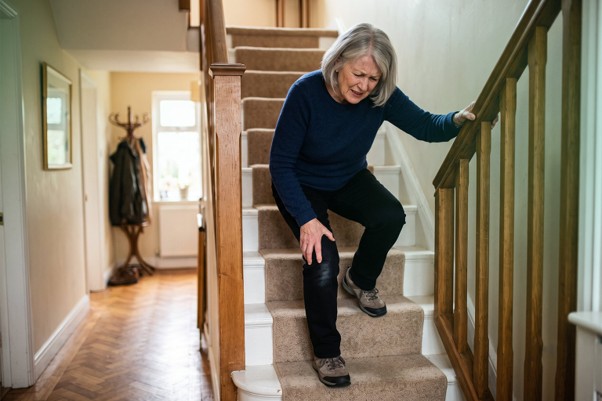
Why Knee Pain Gets Worse on Stairs, and What You Can Do About It
Going up and down stairs can put extra work on your knees. So, if your knee hurts on stairs, you may notice the pain more with each step. This can happen for many reasons, from weak muscles to joint wear and tear.
Knee pain on stairs is common, but it should not always be brushed off. The pain may point to a problem with the kneecap, joint, muscles, or other parts of the knee. Finding the cause is the first step toward better care.
Why Do Stairs Make Knee Pain Worse?
Walking on flat ground is often easier on the knees than climbing stairs. Stairs make the knee bend more and ask the leg muscles to work harder. As a result, more force can move through the knee joint. If the joint or nearby tissue is already irritated, that extra work can make pain stand out.
You may feel pain in the front, side, or back of the knee. The spot and type of pain can give clues about what may be causing it.
Common Causes of Knee Pain
There are many causes of knee pain. Some are linked to injury, while others develop over time.
Common causes include:
- Arthritis
- Muscle weakness
- Tendon problems
- Knee injuries
- Poor movement patterns
- Kneecap problems
- Cartilage damage
- Overuse
Age, activity level, body weight, past injuries, and daily habits can also affect knee health.
That said, knee pain does not always mean the joint is badly damaged. Sometimes, simple changes in movement and strength can make a big difference.
Pain Going Up Stairs
Pain going up stairs can happen when the knee has trouble handling the extra load. The muscles around the knee must work hard to lift the body to the next step. Pain in the front of the knee is often linked to problems around the kneecap. Weak hip or thigh muscles may also affect how the knee moves.
If the pain keeps coming back, it is worth getting the knee checked. Continuing to push through pain may make some problems harder to manage.
Pain Going Down Stairs
For some people, pain going down stairs is even worse than going up. Going down requires the thigh muscles to control the body as it lowers. The knee also bends while taking on body weight. This can place extra stress on the area around the kneecap.
Front-of-the-knee pain while walking downstairs is often seen with kneecap-related problems. However, other knee conditions can cause similar symptoms.
Patellofemoral Pain Syndrome
Patellofemoral pain syndrome affects the area around or behind the kneecap. It is sometimes called runner’s knee.
People with this problem may notice pain while:
- Climbing stairs
- Squatting
- Running
- Sitting for a long time
- Getting up from a chair
The knee may also feel stiff or make clicking sounds. Weak muscles around the hips and thighs can play a role. Poor movement during exercise may also add stress to the knee.
Treatment often focuses on improving strength, movement, and the way the knee handles daily activities.
Knee Osteoarthritis and Stairs
Another common reason for knee pain on stairs is osteoarthritis. This condition happens when the tissues that help the knee move smoothly become worn or change over time.
Common knee osteoarthritis symptoms include:
- Knee pain
- Stiffness
- Swelling
- Trouble bending the knee
- Pain after activity
- Grinding or clicking
- Less range of motion
Stairs can make these symptoms more noticeable because they put more demand on the knee.
However, knee osteoarthritis does not affect everyone in the same way. Some people have mild changes but strong symptoms, while others have more joint changes with less pain.
What Can You Do About Knee Pain on Stairs?
The first step is to find out why the knee hurts. Treatment should match the cause. Depending on the problem, care may include exercise, physical therapy, hands-on care, weight management, or other non-surgical treatments.
Build Stronger Leg Muscles
Strong thigh and hip muscles can help support the knee. A physical therapist can show you exercises that match your needs.
Do not jump into hard workouts right away. Start slow and increase activity as your knee gets stronger.
Work on Your Movement
The way you walk, squat, or climb stairs can affect your knee. Small changes may help reduce extra stress. Try to keep your movements smooth. Avoid rushing up or down stairs when your knee is hurting.
Use the Handrail
A handrail can give you extra support. It may also help you put less weight on the painful leg while using stairs. Take your time. There is no need to race the steps.
Manage Activity
If a certain activity makes your knee hurt, cut back for a while. This does not mean you need to stop moving altogether. Low-impact activities, such as walking on level ground or swimming, may be easier for some people.
When Should You Get Your Knee Checked?
Mild soreness after a hard workout may improve with rest. But ongoing pain deserves more attention.
Consider seeing a healthcare provider if the pain:
- Lasts for several weeks
- Gets worse over time
- Causes swelling
- Makes stairs hard to use
- Limits daily activities
- Comes with weakness or instability
- Started after an injury
A proper exam can help find the cause and guide treatment.
Get Help for Ongoing Knee Pain
Knee pain does not have to become part of your daily routine. InterState Medical Group provides care for musculoskeletal and joint concerns. A team can assess your symptoms and discuss treatment options based on your needs.
FAQs
- Why does my knee hurt more when using stairs?
Stairs make the knee bend and carry more load. Weak muscles, joint wear, kneecap problems, and injuries can all make stair pain worse.
- Is knee pain on stairs always arthritis?
No. Knee pain can come from arthritis, muscle weakness, kneecap problems, tendon issues, injuries, or other conditions affecting knee movement and function.
- Why does going downstairs hurt more?
Going downstairs makes thigh muscles control your body’s weight while the knee bends. This can increase stress around an irritated or painful kneecap.
- Can exercise help knee pain?
Yes, the right exercises may strengthen muscles around the knee and hips. A physical therapist can help choose safe exercises for your condition.
- When should I see a doctor for knee pain?
See a healthcare provider when knee pain lasts, worsens, causes swelling, limits daily activities, or comes with weakness, instability, or injury.
Find Out What Is Behind Your Knee Pain
If stairs have become a daily struggle, it may be time to find out why. InterState Medical Group can help evaluate your knee and guide you toward suitable care.