content-v1-img

Conditions We Treat in Salem, Oregon

More Than Back PainMore Than Chiropractic.

At InterState Medical Group, we evaluate and treat conditions affecting the spine, joints, muscles, connective tissues, and peripheral nerves. Our care focuses on understanding the possible source of your symptoms, how an injury affects your movement, and what may be limiting your recovery.

Whether you are dealing with a recent injury, recurring pain, or a long-standing musculoskeletal condition, our goal is to help reduce pain, restore movement, improve function, and support greater independence.

Movement Is Our Medicine.

We're Here To Help You

Meet Our Doctor

Neck and Cervical Spine Conditions

Neck pain can develop from an injury, repetitive movements, poor posture, disc problems, joint dysfunction, or muscle strain. In some cases, irritation of the nerves in the cervical spine can also cause symptoms in the arms and hands.

We evaluate conditions such as:

  • Acute and chronic neck pain
  • Cervical sprains and strains
  • Whiplash-associated disorders
  • Neck pain following an automobile accident
  • Bulging and herniated cervical discs
  • Cervical degenerative disc disease
  • Cervical joint dysfunction and facet irritation
  • Cervical radiculopathy
  • Arm pain originating from the neck
  • Numbness and tingling in the arms or hands
  • Muscle spasms and myofascial neck pain
  • Restricted neck movement
  • Postural neck pain
  • Cervicogenic headaches

Depending on the findings, treatment may include chiropractic care, therapeutic exercise, soft-tissue treatment, massage therapy, spinal decompression when appropriate, rehabilitation, Class IV laser therapy, PEMF, and other conservative treatment options.

Swedish-Massage3

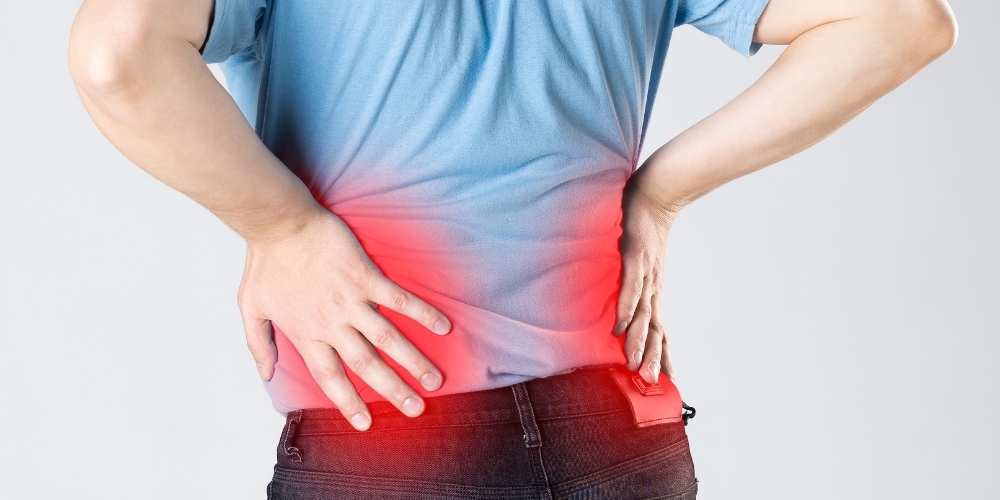
Back and Spine Conditions

Back pain can result from muscle strain, joint dysfunction, disc injuries, degenerative changes, or movement-related problems. Identifying the likely source helps guide an appropriate treatment plan.

We evaluate:

  • Acute and chronic low-back pain
  • Mid-back and thoracic pain
  • Lumbar sprains and strains
  • Mechanical low-back pain
  • Lumbar joint dysfunction and facet irritation
  • Degenerative spinal conditions
  • Herniated and bulging discs
  • Myofascial pain and muscle spasms
  • Restricted spinal mobility
  • Sacroiliac joint dysfunction
  • Pelvic movement dysfunction
  • Recurrent episodes of back pain
  • Back injuries related to work, sports, or automobile accidents

Care focuses on improving mobility, strength, and daily function while addressing the factors that may contribute to recurring symptoms.


Herniated and Bulging Discs

Spinal discs help support the spine and absorb pressure during movement. A disc injury may cause localized neck or back pain. In some cases, it can also irritate nearby nerves and produce pain, numbness, or tingling in an arm or leg.

We evaluate:

  • Herniated discs
  • Bulging discs
  • Disc protrusions
  • Degenerative disc disease
  • Disc-related neck and low-back pain
  • Discogenic pain
  • Radicular pain
  • Leg pain associated with lumbar disc injuries
  • Arm pain associated with cervical disc injuries
  • Numbness and tingling associated with disc disorders
  • Reduced mobility related to spinal disc conditions

When appropriate, treatment may include non-surgical spinal decompression, chiropractic care, rehabilitation, soft-tissue therapy, Class IV laser therapy, and progressive movement exercises. Recommendations depend on the examination findings and the nature of the disc condition.

Auto-Accident-Injuries1

Sciatica and Radiculopathy

Sciatica refers to pain and other symptoms that travel along the path of the sciatic nerve, often affecting the buttock and leg. Spinal disc problems and nerve irritation are among the possible causes.

Symptoms we evaluate include:

  • Shooting or radiating leg pain
  • Burning sensations in the leg
  • Buttock pain
  • Numbness and tingling
  • Pins-and-needles sensations
  • Leg pain that worsens with sitting
  • Lumbar radiculopathy
  • Symptoms associated with lumbar disc injuries
  • Changes in strength associated with nerve involvement

Because several conditions can cause similar symptoms, a proper evaluation is important before selecting treatment. Significant or progressive weakness and other concerning neurological changes may require prompt medical assessment.

Headaches

Some headaches are associated with the muscles, joints, and other structures of the neck. Restricted neck movement, muscle tension, and previous injuries may contribute to certain headache patterns.

We evaluate:

  • Cervicogenic headaches
  • Tension-type headache patterns
  • Headaches following automobile accidents
  • Post-whiplash headaches
  • Headaches associated with neck muscle tension
  • Headaches associated with restricted cervical movement
  • Pain around the back of the head

New, sudden, severe, unusual, or neurologically concerning headaches may require additional medical evaluation or referral.

Close up of Physiotherapist working with patient in clinic

Shoulder Conditions

Shoulder pain can involve the joint, tendons, muscles, or surrounding soft tissues. Sometimes, symptoms that appear to originate in the shoulder may be related to the cervical spine.

Conditions we evaluate include:

  • Shoulder pain
  • Mechanical shoulder dysfunction
  • Rotator cuff-related pain and strains
  • Tendon irritation
  • Shoulder impingement presentations
  • Restricted shoulder mobility
  • Myofascial shoulder pain
  • Shoulder injuries following trauma
  • Automobile accident-related shoulder injuries
  • Sports-related shoulder injuries
  • Overuse injuries

Depending on the condition, treatment may include manual therapy, rehabilitation, soft-tissue treatment, shockwave therapy, Class IV laser therapy, and progressive strengthening exercises.

Arm, Elbow, Wrist, and Hand Conditions

The arms, elbows, wrists, and hands contain joints, tendons, muscles, and peripheral nerves that can be affected by repetitive activity, overuse, trauma, or altered movement patterns.

We evaluate:

  • Arm and elbow pain
  • Lateral elbow pain
  • Repetitive-strain injuries
  • Overuse conditions
  • Wrist and hand pain
  • Carpal tunnel presentations
  • Selected peripheral nerve entrapments
  • Numbness and tingling in the hands
  • Thoracic outlet presentations
  • Grip weakness associated with musculoskeletal dysfunction
  • Soft-tissue injuries

Care is based on the suspected source of symptoms and may involve rehabilitation, movement assessment, manual therapy, and other appropriate conservative treatments.

Hip Conditions

Hip problems can affect walking, sitting, climbing stairs, exercise, and overall lower-body movement. Symptoms may involve the joint, surrounding muscles, or movement patterns involving the pelvis and lower extremities.

We evaluate:

  • Hip pain
  • Restricted hip mobility
  • Mechanical hip dysfunction
  • Muscular and myofascial hip pain
  • Hip pain associated with altered gait
  • Hip pain following an injury
  • Sports-related hip complaints
  • Pelvic and hip movement dysfunction

Treatment may focus on improving joint mobility, muscle function, movement control, and strength based on the patient’s needs.

Knee Conditions

Knee pain can involve the joint, tendons, surrounding muscles, or movement patterns involving the hip and ankle. An assessment helps determine which structures may be contributing to discomfort and restricted function.

We evaluate:

  • Knee pain and stiffness
  • Knee osteoarthritis-related symptoms
  • Patellofemoral dysfunction
  • Sports-related knee pain
  • Overuse injuries
  • Tendon-related pain
  • Myofascial pain around the knee
  • Restricted knee mobility
  • Mechanical knee dysfunction
  • Post-injury knee pain

Depending on the diagnosis, care may include rehabilitation, manual therapy, progressive strengthening, shockwave therapy, Class IV laser therapy, and Knee-on-Trac therapy when appropriate.

There's,Risk,Of,Injury,In,Every,Sport

Leg, Ankle, and Foot Conditions

Pain in the legs, ankles, and feet can affect walking and place additional stress on other parts of the body. These problems may develop after an injury, through repetitive activity, or because of changes in movement and gait.

We evaluate:

  • Leg and calf pain
  • Muscle strains and calf tightness
  • Ankle pain and restricted mobility
  • Achilles-region pain
  • Foot pain
  • Plantar heel pain
  • Plantar fascia-related pain
  • Sports injuries
  • Overuse injuries
  • Gait-related musculoskeletal complaints

Treatment recommendations depend on the affected structures, the severity of the condition, and its effect on movement.

Neuropathy and Peripheral Nerve Symptoms

Numbness, tingling, burning, and altered sensation can have several causes, including nerve irritation, spinal conditions, peripheral nerve entrapment, and certain medical conditions.

We evaluate symptoms such as:

  • Burning sensations
  • Pins-and-needles sensations
  • Numbness and tingling
  • Altered sensation
  • Radiating arm or leg pain
  • Selected peripheral nerve entrapments
  • Sciatic nerve symptoms
  • Upper-extremity nerve symptoms
  • Grip or limb weakness associated with musculoskeletal dysfunction

Identifying the possible source of neurological symptoms is an important part of evaluation. When symptoms suggest a medical condition outside our scope of care, we recommend appropriate medical assessment or referral.

Auto Accident Injuries

Motor vehicle accidents can affect the spine, joints, muscles, and connective tissues. Symptoms may appear immediately or develop over the following hours or days, so an appropriate evaluation is important after a collision.

We evaluate injuries and symptoms such as:

  • Whiplash
  • Cervical, lumbar, and thoracic sprains and strains
  • Neck and back pain
  • Headaches following an accident
  • Shoulder and hip injuries
  • Knee injuries
  • Muscle spasms and myofascial pain
  • Soft-tissue injuries
  • Restricted movement
  • Disc-related conditions
  • Sciatic symptoms
  • Radiating arm or leg pain
  • Functional limitations following a collision

An evaluation may include a medical history, physical examination, functional assessment, digital X-rays when clinically indicated, treatment planning, and coordination with other healthcare professionals when additional imaging or specialist care is needed.

Our team also understands the documentation requirements associated with Oregon Personal Injury Protection (PIP) claims.

Work Injuries

Work-related musculoskeletal conditions can develop suddenly during lifting or physical activity. They can also develop gradually because of repetitive movements, prolonged positions, or repeated physical demands.

We evaluate:

  • Work-related back and neck injuries
  • Shoulder injuries
  • Lifting injuries
  • Sprains and strains
  • Repetitive-strain conditions
  • Overuse injuries
  • Joint injuries
  • Myofascial pain
  • Restricted movement
  • Occupational musculoskeletal conditions

Our focus is to improve mobility, strength, and functional ability to support a safe return to work and everyday activities.

knee pain regenerative therapy

Sports Injuries

Sports and exercise can place repeated demands on the spine, joints, muscles, and tendons. Athletes and recreationally active people may experience injuries from sudden movements, overuse, or inadequate recovery.

We evaluate:

  • Muscle strains and joint sprains
  • Shoulder and knee injuries
  • Hip and ankle injuries
  • Tendon-related complaints
  • Overuse injuries
  • Sports-related neck and back pain
  • Myofascial pain
  • Restricted movement
  • Injuries affecting strength, stability, and mobility

Rehabilitation may focus on restoring movement, building strength, improving stability, and helping patients return to their usual activities at an appropriate pace.

Myofascial Pain and Soft-Tissue Injuries

Muscles, fascia, tendons, ligaments, and other connective tissues can contribute to pain and restricted movement. These symptoms may follow an injury, repetitive activity, or prolonged muscle strain.

We evaluate:

  • Myofascial pain
  • Trigger-point-related pain
  • Muscle tension and spasms
  • Soft-tissue injuries
  • Sprains and strains
  • Scar-tissue restrictions
  • Chronic muscular pain
  • Post-traumatic soft-tissue dysfunction
  • Movement restrictions associated with soft-tissue problems

Depending on the condition, treatment may include massage therapy, instrument-assisted soft-tissue treatment, therapeutic exercise, shockwave therapy, Class IV laser therapy, electrical therapies, and movement rehabilitation.

Shoulder-Pain

Chronic and Degenerative Musculoskeletal Conditions

Some musculoskeletal conditions persist for months or years. Others involve age-related changes, recurring injuries, or gradual reductions in mobility and strength.

We evaluate patients with:

  • Chronic back pain
  • Chronic neck pain
  • Degenerative disc disease
  • Osteoarthritis-related mechanical pain
  • Chronic knee or shoulder pain
  • Recurrent sciatica
  • Long-standing movement restrictions
  • Persistent myofascial pain
  • Previous injuries with ongoing symptoms
  • Age-related mobility limitations
  • Deconditioning associated with chronic pain

Treatment aims to identify areas where movement and function can improve. Although degenerative changes cannot always be reversed, an appropriate care plan may help address symptoms, preserve mobility, and support daily activities.

Previous Injuries and Complex Musculoskeletal Cases

Previous injuries, surgeries, and long-standing conditions can affect how the body responds to new injuries. A careful assessment helps identify current limitations and determine whether additional evaluation is needed.

We commonly evaluate patients with:

  • Previous automobile accident injuries
  • Previous work or sports injuries
  • Recurrent neck or back pain
  • Previous disc injuries
  • A history of surgery
  • Pre-existing arthritis
  • Long-standing musculoskeletal problems
  • Chronic pain aggravated by a new injury

When possible, our evaluation considers the patient’s previous condition alongside the current symptoms and functional changes. This helps guide appropriate treatment recommendations and referrals when necessary.

Auto-Accident-Injuries

How We Evaluate Musculoskeletal Conditions

Every patient and condition is different. Our evaluation focuses on understanding the symptoms, identifying possible contributing structures, and determining the most appropriate next steps.

Depending on the presenting condition, the assessment may include:

  • Detailed medical and injury history
  • Orthopedic examination
  • Neurological examination
  • Functional movement assessment
  • Range-of-motion testing
  • Strength testing
  • Palpation and joint assessment
  • Digital X-rays when clinically indicated
  • Review of previous imaging
  • Referral for MRI, laboratory testing, or specialist evaluation when appropriate

The findings help us determine what may be contributing to the symptoms, which treatment options may be suitable, and whether additional medical evaluation is necessary.

Treatment Options at InterState Medical Group

Treatment recommendations depend on the patient’s condition, examination findings, medical history, goals, and response to care. Depending on individual needs, a care plan may include:

  • Chiropractic care
  • Non-surgical spinal decompression
  • Therapeutic rehabilitation
  • Corrective exercise
  • Class IV laser therapy
  • Shockwave therapy
  • Pulsed electromagnetic field therapy (PEMF)
  • HakoMed microcurrent therapy
  • Electrical stimulation
  • Therapeutic ultrasound
  • Massage therapy
  • Myofascial treatment
  • Instrument-assisted soft-tissue therapy
  • Knee-on-Trac therapy
  • Hill IST therapy
  • Teeter DFM therapy
  • Reverse-hyperextension rehabilitation
  • Red-light therapy
  • Compression massage
  • Hydrotherapy
  • Digital diagnostic X-rays when indicated
  • Progressive functional rehabilitation

Not every treatment is appropriate for every condition. Our recommendations are based on the clinical evaluation, the patient’s needs, and the expected benefits and limitations of available options.

InterState Medical Group

Disc Centers of Salem
contact-v1-img

contact us

Get In Touch With Us

    Please prove you are human by selecting the tree.
    Pain management services

    Get an Evaluation for Your Condition

    Pain, stiffness, restricted movement, and injury-related symptoms can affect work, exercise, and everyday activities. An appropriate assessment can help clarify the possible cause of your symptoms and identify suitable care options.

    Contact InterState Medical Group in Salem, Oregon, at (503) 339-7351 to schedule an appointment and discuss your musculoskeletal concerns.

    Get Better Now! Just Make An Appointment

    Patient Reviews

    What Our Clients Say
    I came to this clinic after a car accident, and from my very first visit, Dr. Michael helped me with my neck and back pain. I also saw Dr. Emilia and received a TPI treatment, which provided immediate relief. I started feeling much better within the first week. I would like to thank both doctors for their professionalism, care, and excellent treatment. I also want to mention that the entire staff is very friendly, welcoming, and always willing to help. I highly recommend this clinic to anyone looking for quality care and effective treatment.
    Abraham profile picture
    Abraham
    5 months ago
    Dr. Michael is absolutely amazing at what he does. He always figures out exactly what's wrong and gets me back to feeling 100%. The team at Interstate Medical Group is great and they don't waste your time. Definitely the best chiropractor in Oregon.
    Carol Davidson profile picture
    Carol Davidson
    6 months ago
    I was struggling with severe back pain that had taken away from work. They were able to get me in same day. The office and staff are phenomenal. The salt room was amazing. The doctor was kind, informative, and thorough. I left feeling so much better and was able to walk and sit comfortably immediately. The best chiropractor I've seen hands down.
    Ef93 profile picture
    Ef93
    6 months ago
    I'd always been afraid to visit a chiropractor's office, but I'm so glad I did because I've felt so much better since my visit. Dr. Michael and Dr. Cohn have helped me feel so much better. I have less and less pain with each visit. I love getting regular adjustments, and even the TPI injections have helped me tremendously in managing my muscle pain. The massages are a really nice and relaxing bonus; the staff knows what they're doing and is always super friendly and helpful. A 10/10 experience!
    Nanci Carrasco profile picture
    Nanci Carrasco
    8 months ago
    Dr. Michael is absolutely amazing! He really knows his stuff. My husband wasted years of time and money on other chiropractors who did very little to relieve his pain. We were becoming concerned for his future and his ability to run his business. After just 2 visits he feels like new. Dr. Michael is truly a blessing from God!
    Cool Dude profile picture
    Cool Dude
    8 years ago
    Dr. Michael is a life-saver!!! I consistently get pain relief following an adjustment from him. His method of treatment is pretty good. The office staff are very friendly and the wait is always super short. Love it! Office is cozy. Thank you all!