Salem: 503-339-7351 FAX: 503-575-2417
  info@imgclinics.com
  MTT: 9–6 PM W: 9 AM–2 PM F: Admin only S&S CLOSED
What Is Advanced Responsible Pain Management? A Complete Patient Guide
Living with ongoing pain can feel like a never-ending loop. Some days are better. Some days are rough. You try rest, maybe medication, but relief does not always last. That is where advanced care steps in.
Today, more patients are choosing smarter and safer ways to manage pain. One approach getting a lot of attention is Interventional pain management combined with a full care plan. Let’s walk through what this means and how it can help.
Understanding Advanced Responsible Pain Management
Advanced responsible pain management focuses on treating pain at its source. It does not rely on one single method. Instead, it uses a mix of treatments that work together.
This approach blends multidisciplinary pain care with modern techniques. The goal is simple. Reduce pain, improve movement, and support long-term health.
It also focuses on limiting the use of strong medications when possible. That is why many plans include minimally invasive pain treatments and guided therapies.
What Is Interventional Pain Management?
Interventional pain management uses targeted procedures to treat pain directly. These treatments focus on the exact area causing discomfort.
They are often used when basic treatments are not enough. The idea is to interrupt pain signals and reduce inflammation.
Common methods may include:
- Targeted injections
- Nerve blocks
- Image-guided procedures
These treatments are precise. They aim to provide relief while helping the body heal.
Minimally Invasive Treatments Explained
One big reason this approach is growing is the use of minimally invasive pain treatments. These options avoid major surgery and long recovery times.
Instead of large procedures, small and targeted methods are used. This means:
- Less downtime
- Lower risk
- Faster recovery
Many patients prefer minimally invasive procedures for chronic pain relief because they can return to daily life sooner.
The Role of Multidisciplinary Pain Care
Pain is not just physical. It affects how you move, think, and live your day. That is why multidisciplinary pain care is so important.
This approach brings together different types of care in one plan.
For example:
- A provider may perform interventional procedures
- A therapist may guide exercises
- A specialist may focus on movement and posture
Together, these methods create a well-rounded plan. Instead of treating one part, the whole body is considered.
Chronic Pain Management Programs
Ongoing pain needs a long-term plan. That is where chronic pain management programs come in.
These programs are structured and personalised. They are built around your condition, lifestyle, and goals.
A typical program may include:
- Regular evaluations
- Targeted treatments
- Rehabilitation exercises
- Lifestyle guidance
The aim is not just short-term relief. It is a lasting improvement and a better quality of life.
Conditions That Benefit from Advanced Care
Many types of pain can be managed with this approach.
Common conditions include:
- Chronic back and neck pain
- Joint discomfort
- Nerve-related pain
- Post-injury pain
- Repetitive strain injuries
Because minimally invasive procedures for chronic pain relief are precise, they can target specific problem areas.
Benefits of Advanced Responsible Pain Management
This approach offers several clear advantages.
- Focus on the root cause of pain
- Reduced need for long-term medication
- Faster recovery with less downtime
- Improved mobility and function
- Personalised care plans
By combining Interventional pain management with other therapies, patients often see better and more lasting results.
What to Expect During Treatment
The process usually starts with a detailed evaluation. Providers look at your medical history, pain patterns, and daily habits.
Then, a plan is created. It may include minimally invasive pain treatments, therapy sessions, and guided exercises.
As treatment continues, your plan may change based on progress. This flexible approach helps keep recovery on track.
Supporting Your Recovery at Home
Your daily habits matter too. Even small changes can support your treatment.
- Stay active with gentle movement
- Follow your exercise routine
- Maintain good posture
- Manage stress levels
These steps work alongside chronic pain management programs to improve results.
When Should You Consider This Approach?
You may benefit from advanced care if:
- Pain lasts for weeks or months
- Basic treatments are not enough
- You want to avoid surgery
- You are looking for long-term relief
Taking action early can help prevent pain from getting worse.
Move Toward Better Pain Control
You do not have to live with constant discomfort. With the right plan, pain can be managed in a smarter and safer way.
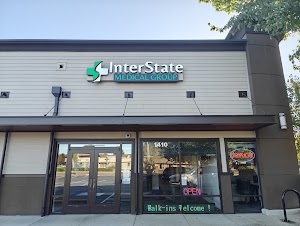
If you are exploring multidisciplinary pain care, InterState Medical Group offers structured programs that combine modern techniques with personalised support.
FAQs
Schedule your consultation with InterState Medical Group today and learn how minimally invasive procedures for chronic pain relief can help you get back to living comfortably.