Salem: 503-339-7351
  info@imgclinics.com
  Open Mon Tue Wed Thur Closed Sat & Sun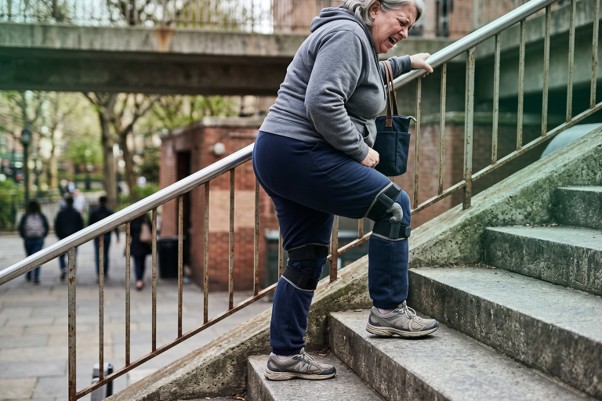
How Excess Body Weight Impacts Knee Pain More Than You Think
Quick Answer: Excess body weight increases pressure on the knee joints with daily movement. This can add stress to cartilage and other tissues, raise the risk of knee osteoarthritis, and make pain harder to manage. Weight loss, exercise, and proper care may help reduce knee stress and improve movement.
Introduction
Knee pain can make simple things feel hard. Walking, climbing stairs, standing up, or getting out of a chair may become uncomfortable. While injuries and age can play a role, body weight can also affect how much work the knees must do each day.
The knees carry the body with every step. So, extra weight can place more stress on these joints. Over time, this may increase the risk of joint wear, inflammation, and knee osteoarthritis. The good news is that even a modest change in weight may lower the load on the knees and make movement easier.
Why Your Knees Carry More Weight Than You Realize
Your knees do much more than simply hold your legs together. They help support your body, absorb force, and keep you moving.
The force placed on the knees changes based on what you are doing. Walking, climbing stairs, and running can put several times your body weight through the knee joint.
For example:
- Walking: About 3 to 4 times your body weight may pass through the knee.
- Climbing stairs: The load can rise to about 5 to 6 times body weight.
- Running: Knee forces may reach 7 to 8 times body weight or more.
That means even a small change in body weight can affect the force your knees handle during daily activity.
Think of it like carrying a backpack all day. A heavier backpack makes each step harder. Your knees face a similar challenge when they have to support more body weight.
How Extra Weight Can Affect the Knees
Increased Joint Pressure
Extra body weight can increase knee pressure during movement. The more force the joint handles, the more work the surrounding muscles and tissues may need to do.
This does not mean that every person with extra weight will develop knee pain. However, carrying more weight can be one factor that adds stress to an already painful or injured knee.
Cartilage Breakdown
Cartilage covers the ends of bones inside the knee. It helps the joint move smoothly.
Over time, cartilage damage can make movement harder and may contribute to pain and stiffness. Extra joint load can play a role in this process, especially when other risk factors are present.
Inflammation
Body fat is not only a storage place for energy. Fat tissue can also produce substances that affect inflammation in the body.
Long-term inflammation may affect joint health. This is one reason the link between arthritis and weight involves more than simple pressure on the knees.
Changes in Walking Mechanics
Extra weight can change how a person walks. A painful knee can also change walking patterns.
These changes may place uneven stress on the knees, hips, ankles, or lower back. Over time, this can add to joint pain and make normal movement harder.
Muscle Weakness
Strong muscles help support the knees. However, knee pain may cause people to move less.
Less activity can lead to weaker thigh, hip, and core muscles. Then, the knee may have to handle more of the work during daily activities.
It can become a frustrating cycle: pain leads to less movement, less movement leads to weakness, and weakness can make movement harder.
Conditions Linked to Excess Weight
Excess weight does not cause every knee problem. Still, it can increase the risk of several conditions.
Knee Osteoarthritis
Knee osteoarthritis is a common cause of knee pain. It involves changes to the joint over time and may cause pain, stiffness, swelling, and reduced movement.
Weight is one of several factors linked to osteoarthritis risk.
Patellofemoral Pain
Patellofemoral pain affects the area around or behind the kneecap. It may become worse with stairs, squats, running, or sitting for long periods.
Extra stress on the knee may add to the problem.
Meniscus Injuries
The meniscus helps cushion and support the knee. A sudden twist can injure it, but long-term joint stress may also affect knee health. Pain, swelling, catching, or locking can occur.
Tendon Problems
Tendons connect muscles to bones. Too much stress can contribute to tendon pain around the knee.
Chronic Inflammation
Long-term inflammation may affect many parts of the body, including the joints. This may make existing knee problems harder to manage.
Signs Your Weight May Be Affecting Your Knees
There is no single symptom that proves body weight is causing knee pain. However, some signs may suggest that your knees are under extra strain.
Watch for:
- Pain when climbing stairs
- Pain after standing for a long time
- Morning stiffness
- Knee swelling
- Trouble getting up from a chair
- Reduced range of motion
- Difficulty walking
- Pain after longer periods of activity
These symptoms can have many causes. A proper evaluation can help find the real reason for your pain.
How Much Difference Can Weight Loss Make?
Weight loss does not need to be huge to make a difference in knee load.
A common estimate suggests that losing one pound of body weight may reduce knee force by about four pounds with each step during walking.
| Weight Lost | Approximate Reduction in Knee Force |
| 1 pound | About 4 pounds per step |
| 10 pounds | About 40 pounds per step |
| 20 pounds | About 80 pounds per step |
These are estimates, not exact numbers for every person. Knee force changes based on movement, walking style, body shape, and other factors.
Still, the basic idea is simple. Less body weight can mean less work for the knees.
Ways to Help Reduce Knee Pain
Weight management is only one part of knee care. A complete plan may include several approaches.
Exercise Therapy
Regular movement can help keep the knee flexible. Low-impact activities may be easier to start with.
Walking, swimming, cycling, and water exercise are common choices. The right activity depends on your knee and overall health.
Strength Training
Strong thigh and hip muscles can help support the knee.
Start with simple exercises and build up slowly. A physical therapist can help choose movements that fit your needs.
Weight Management
A steady approach is often easier to maintain than quick changes. Even modest weight loss knee pain improvements may help some people move with less discomfort.
A doctor, dietitian, or other qualified professional can help create a safe plan.
Physical Therapy
Physical therapy can help improve strength, balance, flexibility, and movement. It may also teach you ways to perform daily activities with less stress on your knees.
Shockwave Therapy
Shockwave therapy uses sound waves and may be used for certain tendon and soft tissue problems. It is not right for every type of knee pain.
A proper evaluation should come first.
Bracing
A knee brace may provide support for some people. The right type depends on the cause of pain and how the knee moves.
Lifestyle Changes
Small daily choices can add up. Taking short walks, sitting less, choosing stairs only when comfortable, and staying active can help support joint health.
Do not push through sharp or worsening pain.
Foods That May Support a Healthy Diet
Food alone will not fix a damaged knee. However, a balanced diet can support healthy weight management and overall health.
Foods that can fit into a balanced eating plan include:
- Fish
- Olive oil
- Leafy green vegetables
- Berries
- Nuts
- Beans
- Whole grains
It can also help to limit foods and drinks that are high in added sugar and highly processed ingredients.
Alcohol should also be limited, especially when it adds extra calories or affects other health goals.
The goal is not to follow a perfect diet. Small, steady changes are often easier to keep.
When Does Knee Pain Need Professional Care?
Not every sore knee needs medical care right away. However, ongoing or severe symptoms should not be ignored.
Consider getting your knee checked if you have:
- Persistent pain
- Noticeable swelling
- Knee locking
- A feeling of instability
- Pain at night
- Trouble walking
- Reduced movement
- Pain that keeps getting worse
You should also seek care after a fall, twist, or other injury, especially if you cannot put weight on the leg.
Can Weight Loss Help Prevent Knee Surgery?
Weight loss cannot guarantee that surgery will be avoided. Some knee problems involve major damage that may need surgery.
However, weight management may be part of a broader plan to improve knee health. Exercise, physical therapy, activity changes, and other treatments may help some people manage symptoms and stay active.
For people with knee pain from obesity, a personalized plan can be useful. The right approach depends on the cause of pain, the condition of the joint, activity level, and overall health.
In some cases, improving strength and managing weight may also make a person a better candidate for future treatment if surgery is needed.
Small Changes Can Take Pressure Off Your Knees
Extra weight can affect the knees in ways that are easy to overlook. It can increase the force placed on the joint, affect movement, and may add to inflammation.
That does not mean weight is the only cause of knee pain. Injuries, arthritis, muscle weakness, age, activity, and other factors can also play a role.
The good news is that you can work on several parts of knee health at the same time. Weight management, strength exercises, physical therapy, and the right medical care may help reduce symptoms and support better movement.
The key is to start with a plan that fits your body and your needs rather than trying to fix everything at once.
FAQs
Can being overweight cause knee pain?
Yes. Extra body weight can increase force on the knees during daily movement. It may also raise the risk of osteoarthritis and other joint problems.
How much weight loss helps knee pain?
Even modest weight loss may lower knee stress. The amount needed varies by person, but gradual changes can support movement and overall joint health.
Why do my knees hurt more when climbing stairs?
Stairs place more force on the knees than level walking. Weak muscles, arthritis, kneecap problems, or joint damage can make stair pain worse.
Does obesity increase arthritis risk?
Yes. Higher body weight is linked with a greater risk of knee osteoarthritis. Extra joint load and body-wide inflammation may both play a role.
Can losing weight delay knee replacement?
Weight loss may improve symptoms and function for some people, but it cannot guarantee that knee replacement will be avoided or delayed in every case.
What exercises are safest for people with knee pain?
Low-impact activities such as swimming, cycling, walking, and water exercise may be easier on painful knees. A provider can suggest suitable exercises.
Is walking good for knee arthritis?
Walking can help maintain strength and movement for many people with knee arthritis. Start with manageable distances and reduce activity if pain worsens.
When should I see a healthcare provider for knee pain?
Seek care for persistent pain, swelling, locking, instability, night pain, reduced movement, or difficulty walking, especially after an injury.
Put Your Knees Back in Motion
You do not have to ignore knee pain and hope it goes away. InterState Medical Group provides personalized care for joint and mobility concerns, with treatment plans designed around each patient’s condition and goals. Reach out to learn more about available knee care options.