Salem: 503-339-7351
  info@imgclinics.com
  Closed Sat & Sun and major holidays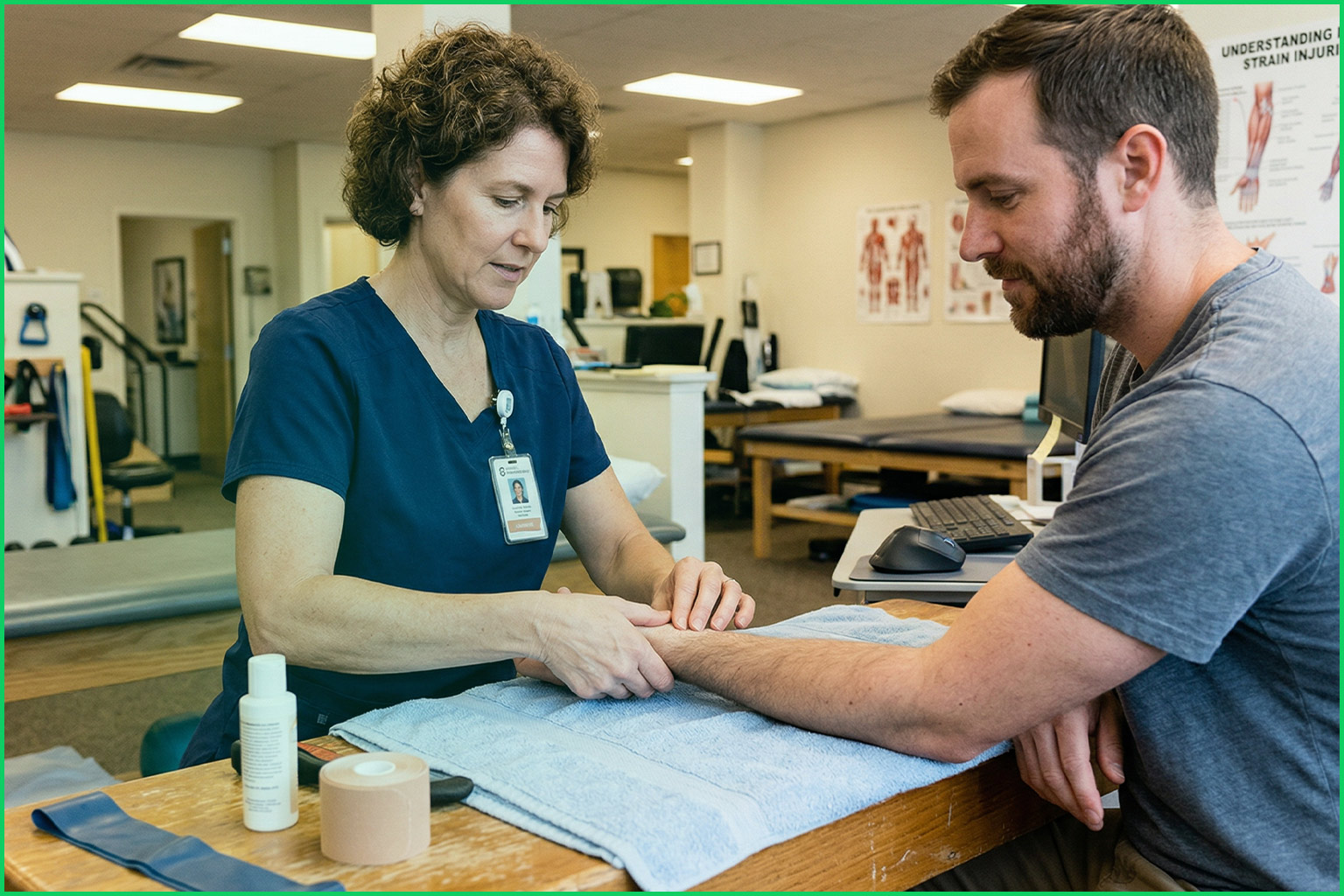
Repetitive Strain Injuries Explained: Causes, Symptoms & Best Treatments
Ever felt that dull ache in your wrist or shoulder after a long day? You shake it off at first. Then it comes back. Day after day. That is how a Repetitive strain injury usually begins.
It builds slowly. No big accident. No sudden pain. Just small movements done over and over again. And before you know it, your body starts to push back.
Let’s break it down so you know what is going on and what you can do about it.
What Is a Repetitive Strain Injury?
A Repetitive strain injury happens when muscles, tendons, or nerves get overworked. This often comes from doing the same motion again and again.
Think typing, using a mouse, lifting boxes, or even scrolling on your phone for hours. These actions may seem harmless. But over time, they add stress to your body.
This is why Workplace repetitive strain injuries are so common. Office work, factory tasks, and even remote jobs can lead to these issues.
Common Causes You Should Know
RSI does not happen overnight. It builds up due to repeated stress on certain areas.
Here are some common triggers:
- Poor posture while sitting or standing
- Repeating the same hand or arm motion
- Not taking breaks during work
- Using poorly designed workstations
- Holding awkward positions for long periods
Over time, these habits strain your muscles and joints. And that leads to pain.
Early Signs and Symptoms
Catching the problem early can make a big difference. That is why it helps to know the overuse injury symptoms.
You may notice:
- A dull ache in the affected area
- Tingling or numbness
- Weakness in muscles
- Stiffness or tightness
- Pain that gets worse with activity
These are common RSI symptoms, and treatment often depends on how early you act.
At first, the pain may come and go. But if ignored, it can become constant and harder to treat.
Areas Most Affected
RSI can affect different parts of the body. Some areas are more common than others.
- Wrists and hands
- Elbows
- Shoulders
- Neck
- Lower back
For example, typing all day may affect your wrists. Sitting with poor posture may impact your neck and back.
This is why Workplace repetitive strain injuries can show up in many forms.
Best Treatment Options
The good news is this. RSI can be treated, especially when caught early. The RSI symptoms and treatment approach usually combine several methods.
- Rest and Activity Changes: First things first, you need to reduce strain. That means adjusting your routine. Small changes can help a lot.
- Physical Therapy: Guided exercises help improve strength and flexibility. They also support proper movement patterns.
- Chiropractic Care: Spinal and joint adjustments may help restore alignment. This reduces stress on muscles and nerves.
- Massage Therapy: Massage helps relax tight muscles and improve circulation. This can ease pain and speed up recovery.
- Ergonomic Adjustments: Fixing your workspace is key. Proper chair height, screen level, and keyboard placement can reduce strain.
The goal is simple. Reduce stress on the body and support healing at the same time.
How Long Does Recovery Take?
Recovery depends on how severe the injury is. Mild cases may improve in a few weeks. Moderate cases can take a few months.
If ignored, RSI can become chronic. That means long-term pain and limited movement.
So, the sooner you act, the better your chances of a quick recovery.
How to Prevent RSI in Office Workers
Prevention is always better than treatment. If you are wondering how to prevent RSI in office workers, here are some simple tips.
- Take short breaks every 30 to 60 minutes
- Stretch your hands, arms, and neck
- Keep your screen at eye level
- Sit with your back supported
- Use ergonomic tools when possible
These small habits can go a long way. They reduce the risk of Repetitive strain injury and keep your body feeling good.
When to Seek Professional Help
Sometimes, rest is not enough. If your pain:
- Lasts more than a few weeks
- Gets worse over time
- Affects your daily tasks
- Comes with numbness or weakness
It is time to get checked.
Ignoring overuse injury symptoms can lead to bigger problems. Early care helps prevent long-term damage.
Take Control Before It Gets Worse
RSI may start small, but it can grow into something serious. The good news is that with the right care, you can recover and get back to normal life.
If you are dealing with Workplace repetitive strain injuries, InterState Medical Group offers structured care plans to help manage pain and restore movement.
Book a consultation with InterState Medical Group today and explore effective options for RSI symptoms and treatment tailored to your needs.